
Old Tank Giving Out? Water Heater Replacement in Buena Park
Which type fits? Start with how your household uses hot water
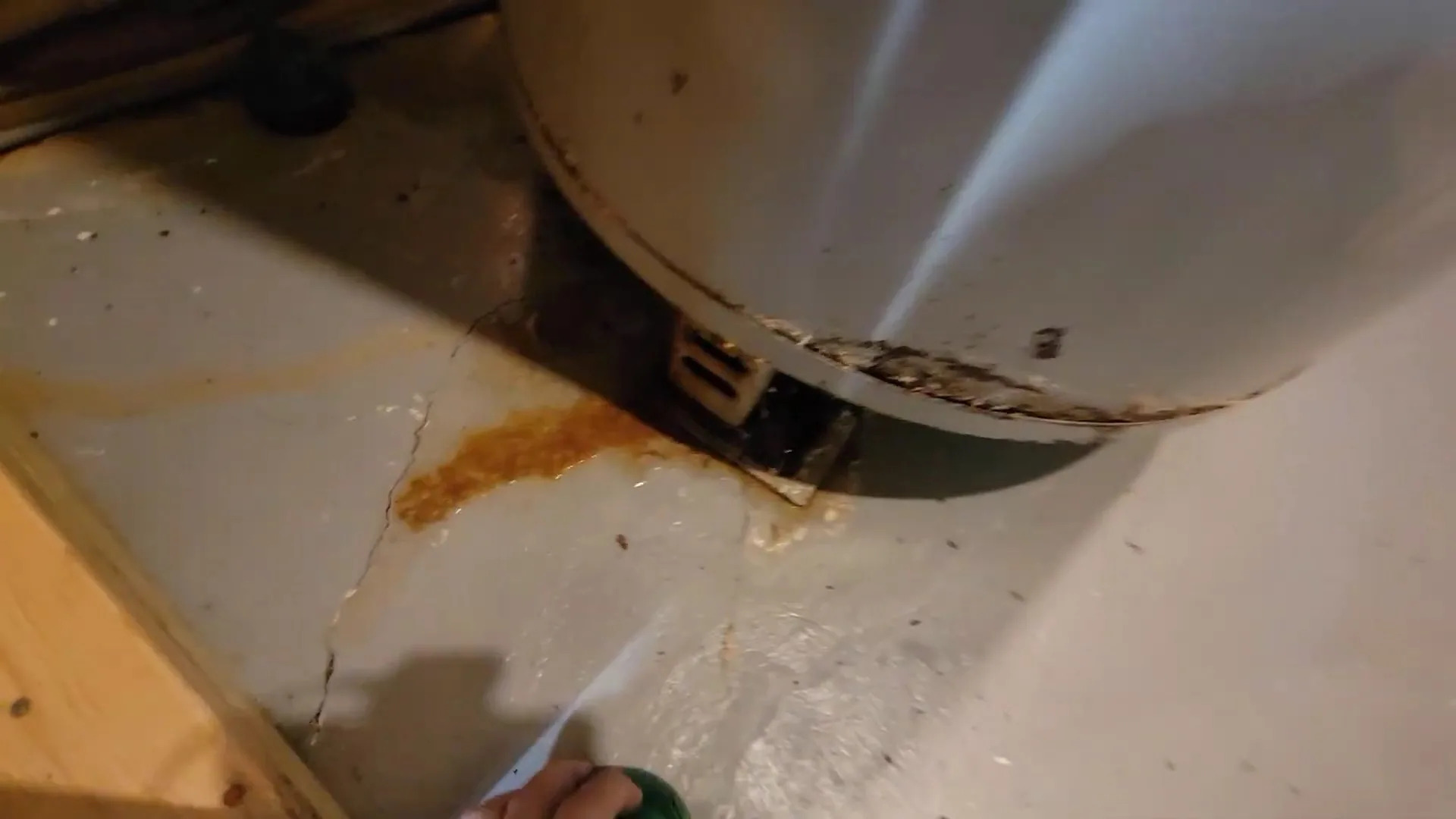
The moment usually comes without warning: a puddle around the base, rusty water from the hot tap, or a shower that runs cold after five minutes. The heater has run for years, and now the question is what goes in its place.
A standard tank stores hot water and keeps it warm. It is the usual choice for a home where the old unit sat in a garage or closet and the connections are already there.
A tankless unit heats water on demand and takes less floor space, but it asks more of the gas line and the vent, and the tankless water heater page walks through that. A hybrid unit, sometimes called a heat pump heater, pulls heat from the surrounding air and needs room and airflow around it.
Size follows the household. Count the people, the baths and the appliances that run at the same time, then ask the installer how many gallons they would pick and why. Sizing and gallons matter more than the brand name on the tank. Under-sink water heater installation, meaning a point-of-use unit, suits a single far-off fixture and do not replace a main heater.
| Type | Fits when | Ask about |
|---|---|---|
| Tank, gas or electric | The old unit is in a good spot and the connections work | Capacity, and the coverage the maker states for the tank |
| Tankless | Space is tight or hot water demand is high and the gas line can supply it | Gas line size, venting and a descaling plan |
| Hybrid or heat pump | There is open space and air movement around the unit | Clearance, noise and the electrical circuit needed |
| Point-of-use under a sink | One fixture sits far from the main heater | Whether it supplements or replaces the main unit |
Gas or electric? What changes behind the wall
Swapping a gas heater for a gas heater is usually the simplest job, because the gas line and the vent are already there. Changing fuel is a bigger project and deserves its own quote.
A gas water heater needs a gas supply line sized for the new unit, a shutoff, a sediment trap and a vent that carries exhaust outdoors. If gas is ever in the air, walk everyone outside and ring SoCalGas at 1-800-427-2200.
An electric water heater needs a dedicated circuit at the right amperage, and an electrician handles the wiring in most cases. A plumber can tell you which parts of the job belong to a gas fitter, an electrician or the plumber, so you are not surprised on installation day.
If a new gas appliance needs a longer or larger line, the gas line sizing and repair explains what that work involves. Ask whether the quote includes any change to the gas piping or only the heater itself.
Never relight or reconnect a gas heater yourself after a replacement. If the heater smells of gas, leave the building and call SoCalGas from outside before calling a plumber.
What the install should include, in writing
Water heater installation and servicing often come from the same company, so ask who services the unit later. Two quotes for the same heater can look alike and still cover different work. Ask for the scope as a list.
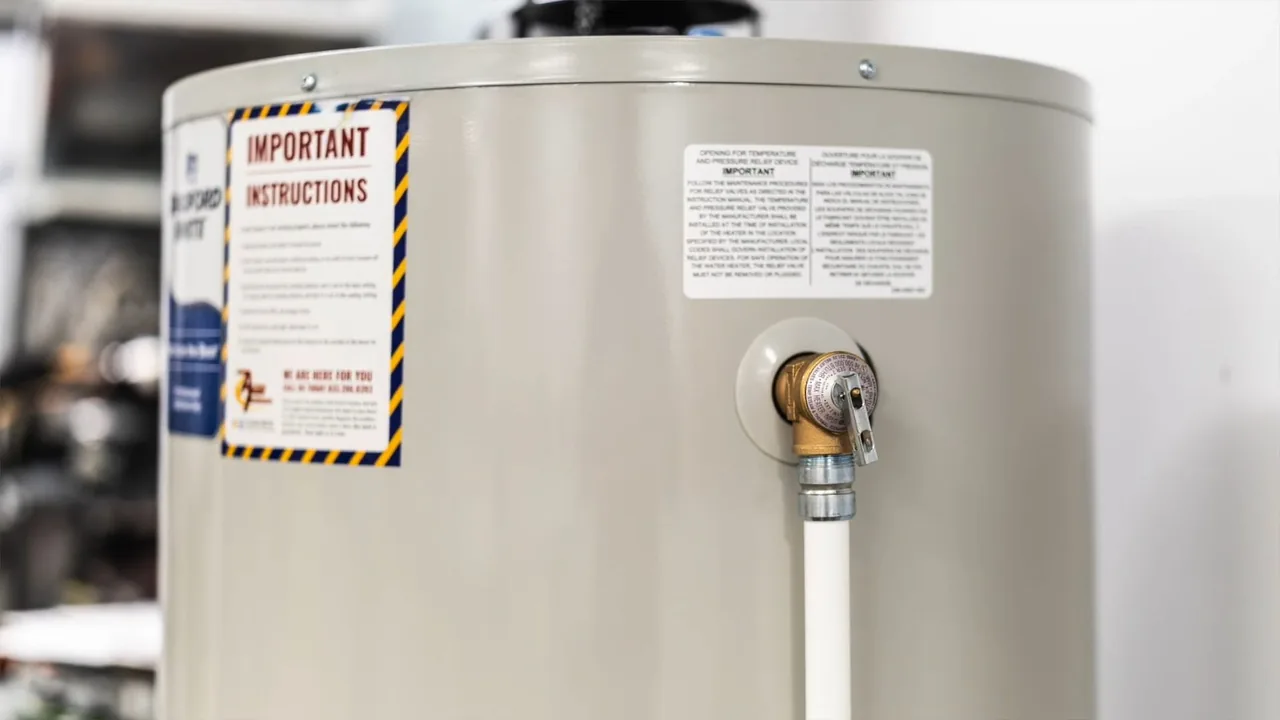
A complete water heater installation usually names these items: removal and haul-away of the old tank, a new shutoff valve, flexible connectors, a temperature and pressure relief valve with a drain line, an expansion tank where the plumbing calls for one, a sediment trap or gas shutoff for gas units, a vent connection, and strapping.
State law has every heater braced, anchored or strapped, replacements included, so the installer should handle it and show you how.
Expansion tanks come up often. When a home has a closed water system, heated water has nowhere to expand, and pressure rises. An expansion tank absorbs it. Ask whether yours needs one, and if an older tank already has one, whether it still holds air.
- Removal: is the old tank hauled away, and who handles the disposal?
- Bracing: will straps or anchors be installed to current requirements?
- Valves and connectors: new, or reused from the old heater?
- Expansion tank: needed, already present, or not applicable?
- Permit: who applies for it, if the City requires one?
Permits and code: what to ask before the old tank comes out
The City adopted the 2025 California Plumbing Code, based on the 2024 Uniform Plumbing Code, with local amendments. That is the rulebook a water heater installation answers to. No Buena Park page says whether a heater swap needs a permit, so the honest answer is to ask.
Call the Building Division at 6650 Beach Blvd, (714) 562-3636, or ask the plumber who pulls permits for this kind of job and whether an inspection is part of the price. Some installers include it, and some leave it to the owner.
The contractor license class matters as well. The C-36 contractor class takes in water heaters, gas piping and service piping. A permitted job calls for a licensed installer, so ask our dispatch line for license details before the day of the install, and look the class up on the state board's site if you like.
The plumbing code your installer works under
Buena Park adopted the 2025 California Plumbing Code with local amendments, which sets requirements for venting, relief piping and connections on a new heater.
A permit rule for water heater swaps is not published on a City page, so the Building Division is the place to confirm.
Source: Buena Park Municipal Code, plumbing code adoption.
Hard water and your new heater
A new tank begins collecting sediment on its first day. The City of Buena Park Water Department reports groundwater at an average of 204 mg/L hardness and imported water at 160 mg/L, or roughly 12 and 9.4 grains per gallon, with readings up to 18 grains.
Hardness at that level leaves scale at the bottom of a tank and on heating elements. It does not mean a heater will fail soon. It does mean a flush schedule is worth discussing, and that a scale control device or softener may be worth pricing alongside the heater. The water softener page explains the choices.
Scale shortens a tank's life
Groundwater averages 204 mg/L hardness (about 12 grains per gallon) and imported water 160 mg/L, with a range from 44 to 306 mg/L.
Ask the installer what flushing or scale control they would set up for a heater in water like this.
Hardness data: Buena Park's 2024 Water Quality Report (2023 samples).
Same day, scheduled or after a flood? Deciding the timing
A heater that leaks from the tank is a same-day problem. Close the cold supply valve, cut the gas or the breaker, and call. A heater that still works but is old can be replaced on a planned day, which usually leaves time to compare quotes and pick a model.
When you phone, dispatch asks what fuel the heater uses, where it sits and whether water is spreading. Dispatch hands the job to either one of our plumbers or an independent from the network, and arrival depends on demand, so no time is promised.
Should the tank have soaked a floor or a closet, the drying and cleanup page explains what comes after the water is stopped. For a heater that only needs a new part, see the repair option first.
Replacement questions homeowners ask
How do I choose a water heater installer?
Ask for the scope in writing, the type and size of unit, whether permits and bracing are included, and where the old tank goes. Compare those lists, not just the totals.
Ask to see license details before work begins, and ask who stands behind the installation work. A maker's coverage applies to the tank itself and not to the installation labor.
What size water heater do I need?
Match capacity to how many people live in the home and how many fixtures run together in the morning. A household with several bathrooms and a soaking tub needs more storage than a couple in a small house.
Ask the installer to explain the gallon figure and the unit's recovery rate, which is how fast it reheats.
Why did a pipe burst after my water heater was replaced?
It can happen when a connection was bumped, a fitting was reused, or high water pressure stresses old pipe. If it happens, close the main water valve, then contact the installer and a plumber.
Photograph the damage and the new connections. Ask for the leak to be located before anything is repaired, since the burst may not be where the new work was done.
What should I do if my water heater floods the house?
Shut off the cold water to the tank, switch off the gas or the breaker, and close the main water valve if water is still spreading. Keep clear of outlets and the electrical panel.
Then call a plumber, and dry the area quickly. Wet drywall and flooring can grow mold if left damp.
Gas, electric, hybrid or heat pump: which should I pick?
Gas units heat fast and need a vent and a gas line. Electric units are simpler to install but need a circuit of the right size. Hybrid or heat pump units use less electricity per gallon but need space and airflow, and they cost more up front.
The right pick depends on what is already in the house, so ask the installer to list what each choice would change.
Heater done for?
Tell dispatch what fuel it uses and whether it leaks. The plumber who takes the call can talk through size, installation scope and timing before anything is ordered.
Next steps for a new heater
- Water heater repairRepair first when the tank is still sound
- Tankless water heatersInstallation, flushing and descaling
- Gas line repairGas supply and venting for the new unit
- Water softeners and filtrationTreating hard water at the source
- Water damage restorationCleanup after a flooded closet
Comparing options? See every plumbing service on the list or the towns on the list.